For clubs, schools and developers
Planning a court?
Golf clubs, tennis clubs, schools, farms and leisure operators: get early access to the cost guide and the builder shortlist.
Fourwall™ is an independent UK platform for comparing specialist padel court builders, understanding real build costs and planning your project with confidence.
Your site, number of courts, indoor or outdoor, budget and timeline. It takes two minutes.
Side-by-side profiles: regions covered, build types, lead times, warranties and completed UK projects.
We pass your brief to up to three suitable builders, so the quotes you get are like for like.
Pick a build type and number of courts for an indicative range, drawn from published UK industry guides. Your site, groundworks and spec will move the final figure.
Golf clubs, tennis clubs, schools, farms and leisure operators: get early access to the cost guide and the builder shortlist.
We're inviting specialist UK builders to claim a free founding listing before launch, and to help shape a platform that sends better-qualified enquiries.
As an indicative guide drawn from published UK industry figures, an outdoor padel court typically costs £45k to £80k per court including groundworks and surface. A court inside an existing building is around £40k to £50k plus VAT, and a covered outdoor court with a canopy around £115k to £160k. Your site, groundworks, lighting and specification will move the final figure, and multi-court builds usually cost less per court.
A standard doubles padel court has a 20m by 10m playing area, enclosed by glass and mesh walls. Allow extra space around it for access and run-off, and check the clear height needed for indoor or covered courts with your builder.
Often, yes. Depending on its size, an existing tennis court footprint can usually take one or more padel courts, which makes it a popular option for clubs and schools. The existing base may not be suitable as it is, so ask builders to assess its levels, drainage and condition before quoting.
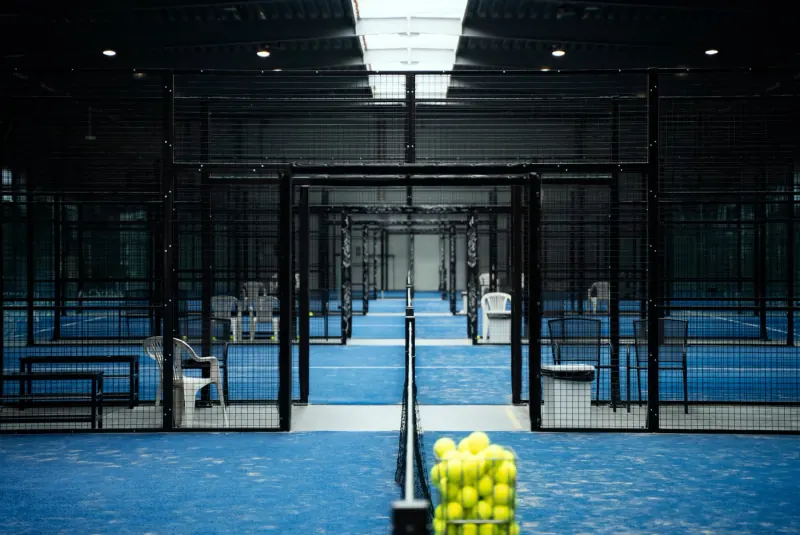
Outdoor courts cost the least but are exposed to the weather. Covered courts with a canopy keep play going in rain while staying open-sided, and indoor courts give year-round, all-weather use but need enough clear height and floor space. Think about how many hours a year you want the court in use and what your site and planning will allow.
Most sites can work with the right groundworks. A builder will look at how level the ground is, drainage, ground conditions and access for deliveries and machinery. Ask for a site survey early, as groundworks are often the biggest variable in the final cost.
In most cases, yes. New padel courts usually need planning permission from your local authority, and floodlighting, canopies and noise are common considerations. Requirements vary by council and site, so check early. A good builder will help with the application.
They can be, and they are among the most common planning concerns. Padel is louder than many sports, so councils may ask for a noise assessment, particularly near homes. Well-designed lighting reduces light spill, and an experienced builder can advise on court position, screening and acoustic measures.
Installing the court itself is often a matter of days to a few weeks once groundworks are complete. The whole project, from first enquiry through planning, groundworks and builder lead times, usually takes several months.
There can be. Sports governing bodies, including the LTA, have run funding and loan schemes for padel, and community projects at schools, clubs and charities may be eligible for grants from bodies such as Sport England or local councils. Schemes and eligibility change, so check what is currently open before you budget.
Ask to see completed UK projects similar to yours and speak to past clients. Check what the quote includes, especially groundworks, lighting and planning support, and whether any work is subcontracted. Confirm insurance, warranties, lead times and what aftercare and maintenance they offer once the court is handed over.
Warranties vary between builders and usually cover different parts separately, such as the structure, glass, artificial turf and lighting, so get the details in writing. Ongoing maintenance is fairly light: regular brushing, topping up the sand infill, cleaning the glass and checking lights, with the turf replaced after several years of heavy use.
Builders are matched on fit for your brief: the regions they cover, the build types they offer and their completed UK projects. Rankings are never for sale, and any paid placement will always be clearly labelled.
Independent. UK-focused. Built for the people paying for the court.
Rankings are never for sale, and any paid placement will always be clearly labelled.